
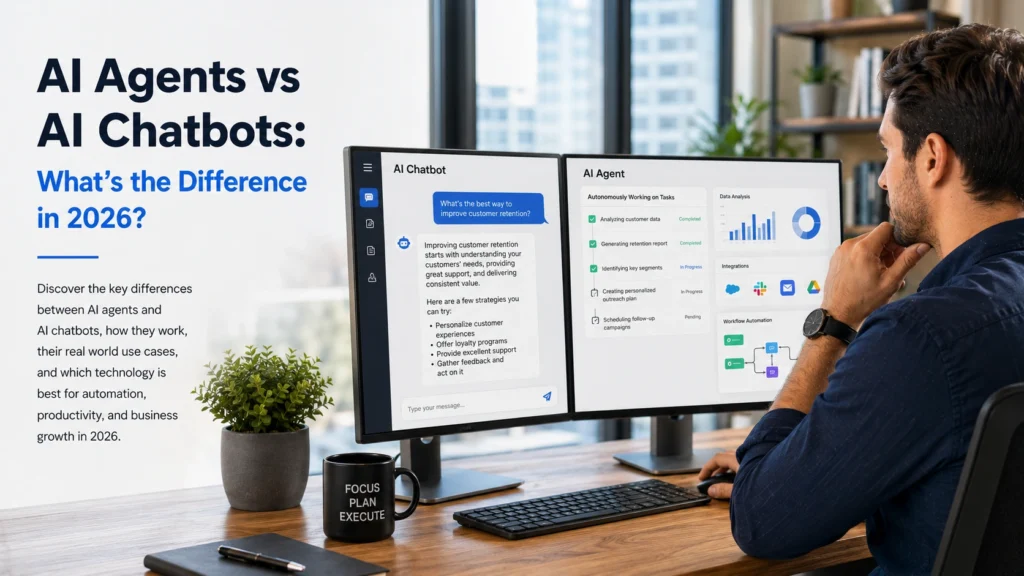
AI Agents vs AI Chatbots: Important Differences You Need to Know in 2026
Discover the key differences between AI agents and AI chatbots, how they work, their real world use cases, and which technology is best for automation, productivity, and business growth in 2026.
Introduction
Artificial intelligence is evolving quickly, and many people are hearing two terms more often than ever before: AI agents and AI chatbots. While these technologies may seem similar on the surface, they are designed for very different purposes. Understanding ai agents vs chatbots is important for students, professionals, researchers, business owners, and anyone interested in the future of AI.
A few years ago, most AI systems simply answered questions. Today, AI can schedule meetings, conduct research, automate workflows, manage tasks, and even make decisions based on goals. This shift has created confusion about where chatbots end and where AI agents begin.
In this guide, we will explore what AI agents are, what AI chatbots are, how they differ, where each technology excels, and which option makes the most sense depending on your needs in 2026.
Table of Contents
- What Are AI Chatbots?
- What Are AI Agents?
- AI Agents vs Chatbots: The Core Difference
- How AI Chatbots Work?
- How Autonomous AI Agents Work?
- Real World Examples of AI Agents and Chatbots
- When Should You Use an AI Chatbot?
- When Should You Use an AI Agent?
- Common Misconceptions About AI Agents and Chatbots
- Best Practices for Choosing the Right AI Solution
- FAQs
- Conclusion
What Are AI Chatbots?
AI chatbots are conversational software systems designed to interact with users through text or voice.
Their primary goal is communication.
Most chatbots help users by:
- Answering questions
- Providing information
- Offering customer support
- Generating content
- Assisting with basic tasks
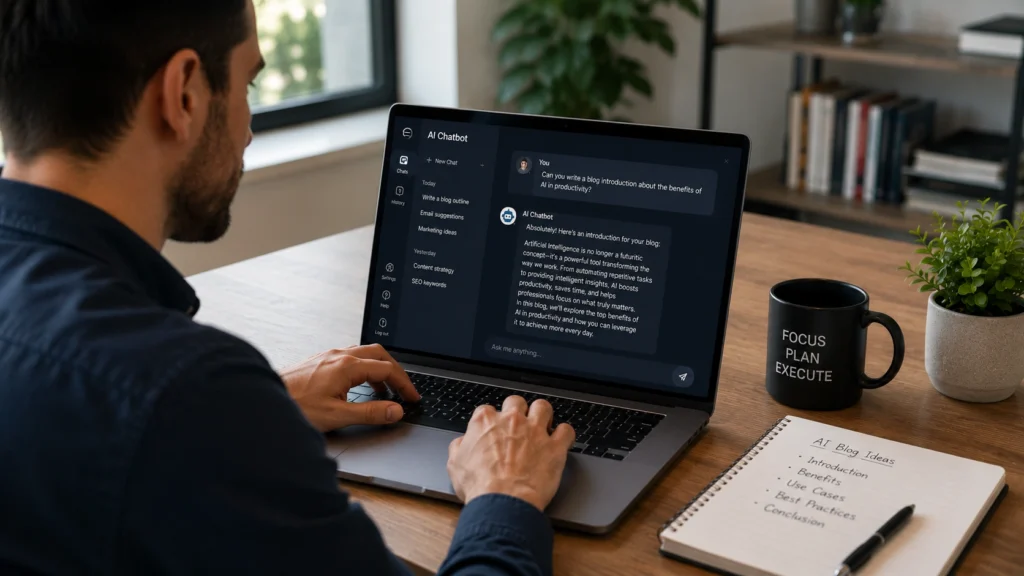
Popular examples include ChatGPT, Gemini, Claude, and customer support chatbots found on websites.
Imagine a student asking a chatbot to explain photosynthesis. The chatbot provides a detailed explanation and answers follow up questions. Its job is to assist through conversation.
The chatbot responds when prompted. It generally does not take independent action beyond the conversation itself.
What Are AI Agents?
When discussing what are AI agents, it helps to think beyond conversation.
AI agents are systems designed to achieve goals through planning, reasoning, decision making, and action.
Unlike traditional chatbots, AI agents can:
- Analyze objectives
- Break tasks into steps
- Use tools
- Gather information
- Execute actions
- Adapt based on results
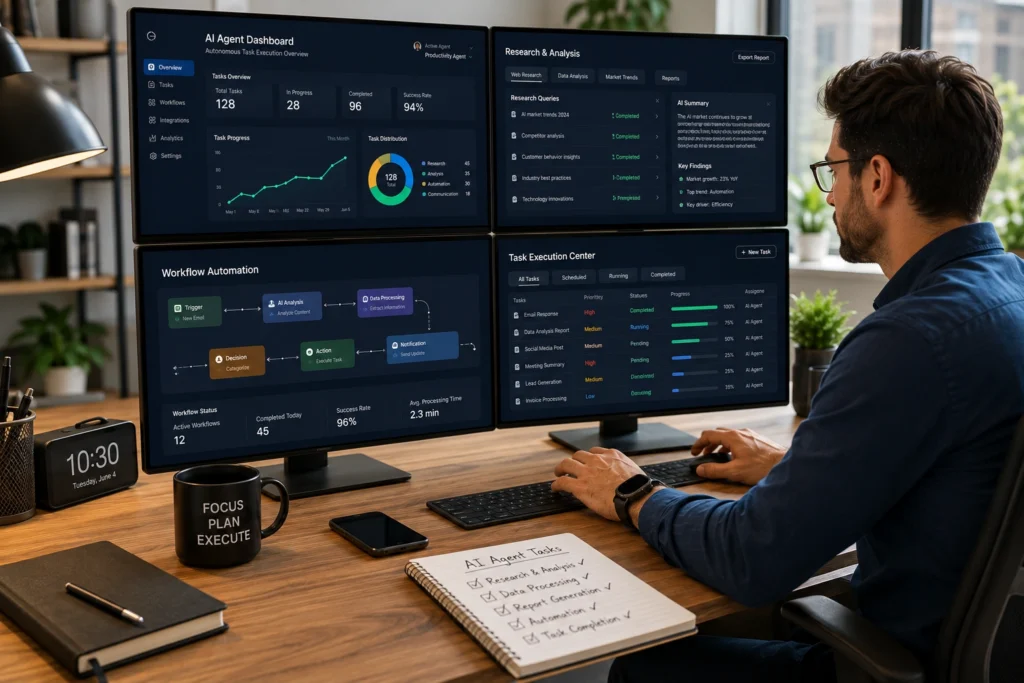
For example, imagine a marketing manager asking an AI agent to prepare a weekly competitor report.
Instead of simply explaining how to do it, the agent may:
- Search competitors
- Collect relevant data
- Analyze trends
- Create a report
- Deliver the final output
The agent focuses on completing the task rather than simply discussing it.
AI Agents vs Chatbots: The Core Difference
The Simple Explanation
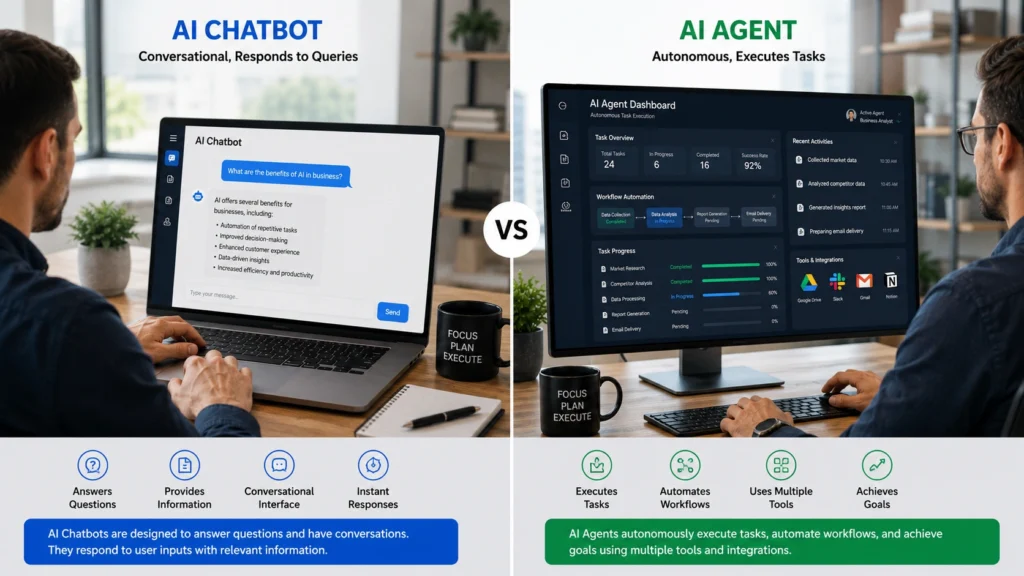
The easiest way to understand the difference between AI agents and chatbots is this:
- Chatbots answer questions.
- AI agents complete objectives.
A chatbot waits for instructions and responds.
An AI agent receives a goal and determines how to achieve it.
Quick Comparison
| Feature | AI Chatbots | AI Agents |
|---|---|---|
| Primary Purpose | Conversation | Task Completion |
| Decision Making | Limited | Advanced |
| Autonomy | Low | High |
| Tool Usage | Sometimes | Frequently |
| Multi Step Tasks | Limited | Strong |
| Goal Oriented Actions | Minimal | Core Function |
| Workflow Automation | Basic | Advanced |
How AI Chatbots Work?
AI chatbots rely heavily on language models.
When a user submits a question, the chatbot:
- Understands the prompt
- Processes context
- Generates a response
- Continues the conversation
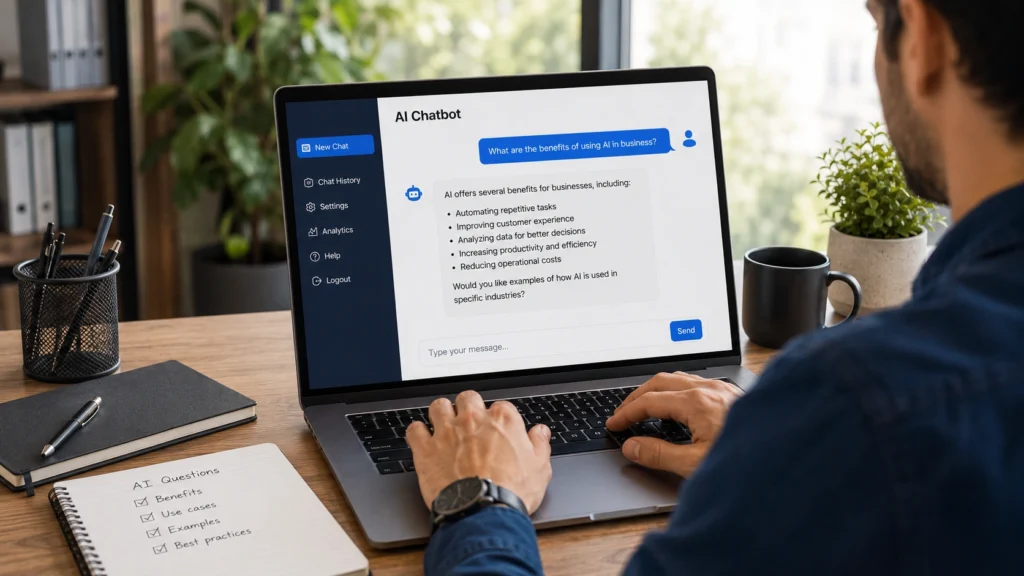
For example:
A researcher asks:
“What are the latest developments in renewable energy?”
The chatbot provides a summary and answers follow up questions.
The interaction remains conversational.
Even advanced chatbots primarily focus on generating useful responses rather than independently executing tasks.
How Autonomous AI Agents Work?
Autonomous AI agents operate differently.
Instead of responding to individual prompts alone, they follow objectives.
A typical agent workflow may include:
Step 1: Understanding the Goal
The agent identifies the desired outcome.
Step 2: Planning
It creates a sequence of actions required to complete the task.
Step 3: Tool Usage
The agent may access:
- Search engines
- Databases
- Calendars
- Documents
- Productivity software
Step 4: Execution
The agent performs actions without requiring constant supervision.
Step 5: Evaluation
The system checks results and adjusts if necessary.
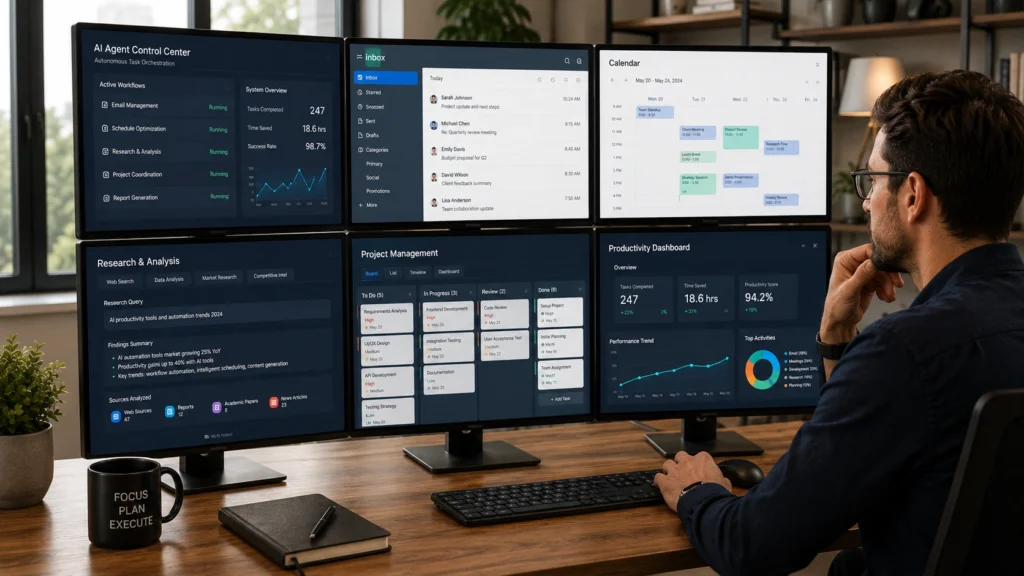
This ability to act independently is why autonomous AI agents have become one of the most discussed areas of artificial intelligence in 2026.
Real World Examples of AI Agents and Chatbots
Example 1: Student Research
Chatbot Approach
A student asks:
“Explain quantum computing.”
The chatbot provides information and answers questions.
Agent Approach
The student asks:
“Research quantum computing and create a study guide.”
The agent:
- Finds sources
- Summarizes concepts
- Organizes notes
- Creates a structured guide
The difference lies in execution.
Example 2: Business Operations
Chatbot Approach
A business owner asks:
“How should I improve customer retention?”
The chatbot provides recommendations.
Agent Approach
The business owner asks:
“Analyze customer feedback and prepare an improvement report.”
The agent gathers data, identifies patterns, and creates actionable recommendations.
Example 3: Content Creation
Chatbot Approach
A creator asks for video ideas.
The chatbot generates suggestions.
Agent Approach
An AI agent:
- Researches trends
- Creates outlines
- Builds publishing schedules
- Tracks performance data
This creates a complete workflow rather than a simple conversation.
When Should You Use an AI Chatbot?
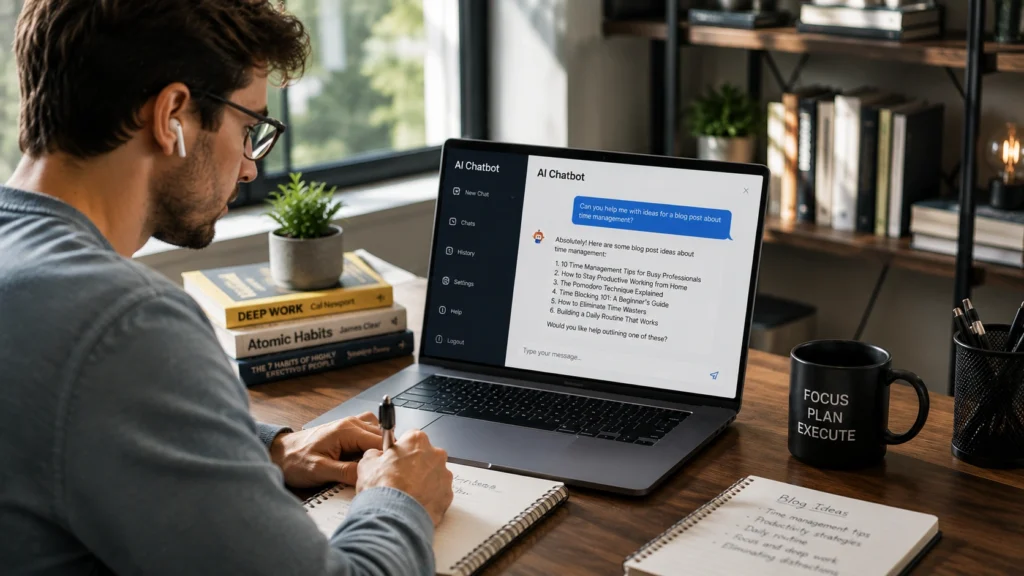
AI chatbots work best when you need:
- Quick answers
- Learning assistance
- Brainstorming
- Writing help
- Content ideas
- Customer interactions
Students, researchers, and professionals often benefit from chatbots because they provide immediate information and support.
For many users, a chatbot is still the simplest and most accessible AI solution.
When Should You Use an AI Agent?
AI agents are ideal when you need:
- Workflow automation
- Multi step processes
- Research projects
- Task management
- Business operations
- Productivity optimization

For example, companies handling large volumes of repetitive tasks often gain more value from agents than traditional chatbots.
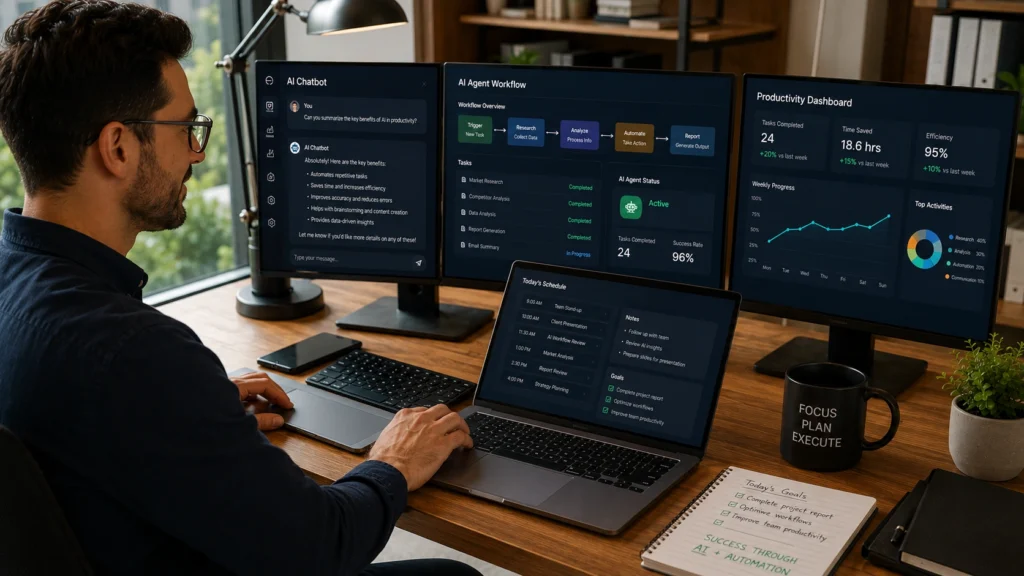
As AI technology continues to mature, more organizations are combining both systems together.
Common Misconceptions About AI Agents and Chatbots
Misconception 1: They Are the Same Thing
This is the most common misunderstanding.
While both use artificial intelligence, their goals and capabilities differ significantly.
Misconception 2: AI Agents Replace Humans Completely
AI agents can automate many tasks, but human oversight remains essential.
Decision making involving ethics, creativity, and strategy still benefits greatly from human judgment.
Misconception 3: Chatbots Are Outdated
Chatbots continue to improve rapidly.
Many users do not need a fully autonomous system and can accomplish their goals perfectly well with a conversational AI assistant.
Best Practices for Choosing the Right AI Solution
Start With Your Objective
Ask yourself:
Do I need answers or completed tasks?
The answer often determines whether a chatbot or agent is the better choice.
Consider Complexity
Simple requests usually work well with chatbots.
Complex workflows often benefit from AI agents.
Balance Automation and Control
Automation is powerful, but excessive automation without oversight can create errors.
Review outputs regularly and maintain human involvement where appropriate.
Focus on Practical Value
Do not choose technology simply because it is new.
Choose the solution that solves a real problem efficiently.
Frequently Asked Questions
What is the difference between AI agents and chatbots?
The main difference is that chatbots focus on conversations and answering questions, while AI agents focus on completing goals and executing tasks.
What are AI agents used for?
AI agents are used for workflow automation, research, task management, business operations, scheduling, and other multi step activities.
What are AI chatbots used for?
AI chatbots are commonly used for customer support, content creation, education, information retrieval, and conversational assistance.
Are autonomous AI agents better than chatbots?
Not necessarily. The best option depends on the task. Chatbots are excellent for communication, while autonomous AI agents are better suited for complex task execution.
Will AI agents replace AI chatbots?
No. Both technologies serve different purposes and will likely continue working together in many applications.
Conclusion
Understanding ai agents vs chatbots is becoming increasingly important as artificial intelligence expands into more areas of daily life and business operations.
Chatbots excel at communication, learning, and answering questions. AI agents go a step further by planning, reasoning, and completing tasks with greater autonomy. Neither technology is universally better. Each solves different problems.
For students and casual users, chatbots often provide everything needed for learning and productivity. For businesses and professionals managing complex workflows, AI agents offer powerful automation opportunities.
The future of AI is not about choosing one over the other. It is about understanding where each fits best and using the right tool for the right objective.
Interested in learning more about AI agents, AI tools, productivity workflows, and practical artificial intelligence guides?
Explore more AI tutorials, comparisons, and resources on AI With Sahil to stay informed about the latest developments shaping the future of AI.